The Differences Between a Human Receptionist and an AI Receptionist: Which Option Works for Your Organization?
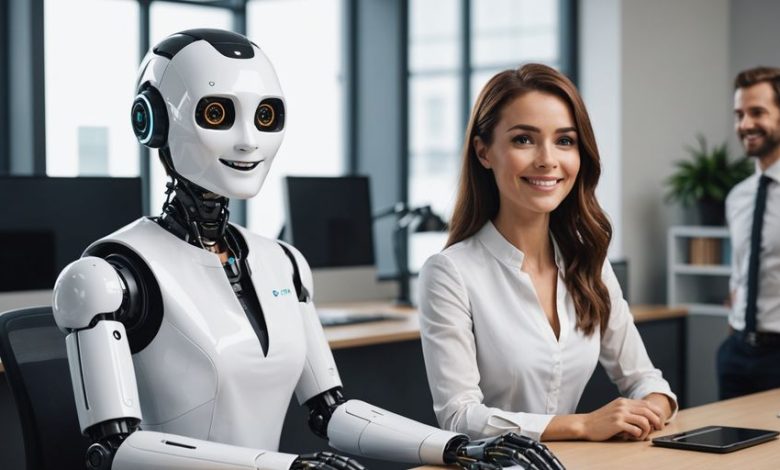
As a business owner, you must make smart decisions about where to invest your time and money. One of these decisions is how to handle customer calls and front-office tasks. Will a human receptionist or the best ai receptionist work for your company? Both options have their advantages. Choosing the right one depends on the needs of your business. Below are the differences between these options. These will help you decide what works best for your company.
Availability
Human receptionists work only during business hours. Customers who call beyond these hours may need to leave a voicemail or wait until the next business day. But an AI receptionist is available round the clock to handle scheduling. It can also answer inquiries at any time of the day or night. If your business gets a lot of after-hours calls, an AI receptionist ensures that no opportunity is missed.
Cost
Hiring a full-time human receptionist comes with salaries and benefits. Also, additional expenses like training and workspace costs are part of the package. Even part-time receptionists need to be paid wages. If you need them to work outside regular hours, you must give them overtime pay. With an AI receptionist, you either make a one-time investment or pay a low monthly subscription. There are no breaks and benefits involved. The technology does not require vacation days, which makes it a cost-effective solution if you want to save money.
Customer Experience
A human receptionist brings empathy, personality, and warmth to conversations. They can recognize emotions, handle unique customer situations, and build relationships over time. If your business relies on a personal touch, a human receptionist may be the better choice.
An AI receptionist is efficient but it does not have genuine emotional intelligence. However, a lot of AI systems today use natural language processing (NLP) to make conversations feel more natural. They can answer questions and schedule appointments. They provide customers with the information they need quickly. But they cannot promise the warmth of human interaction.
Efficiency
A human receptionist cannot handle multiple people call at once, leaving other callers waiting on hold. Multitasking becomes difficult, especially if they are also managing in-person visitors or handling administrative tasks.
An AI receptionist can handle hundreds of calls at once without making customers wait. It can answer frequently asked questions and schedule appointments. Also, it can route calls to the right department in just seconds. If your business gets a high volume of calls, AI can increase efficiency and reduce wait times.
Accuracy
A human receptionist might not hear a phone number correctly or might forget to pass on a message. They may also accidentally double-book an appointment. These small errors can result in frustrated customers and employees.
An AI receptionist follows set rules and programs. Thus, they can always log a message or schedule an appointment. They provide consistent and error-free service. This makes them a reliable option for businesses that need precise scheduling and call handling.
Flexibility
Human receptionists can adjust to different situations, even dealing with frustrated customers patiently. However, AI receptionists work best with structured tasks, following pre-programmed workflows. Thus, they might struggle with complex customer requests that require judgment. However, they can be customized to better understand questions specific to industries.
Whether you choose a human receptionist over an AI receptionist depends on your needs and budget. Also, the customer service priorities of your business are a factor. These options have strengths you can take advantage of.