How Modern Residential Communities Promote Convenience and Connectivity
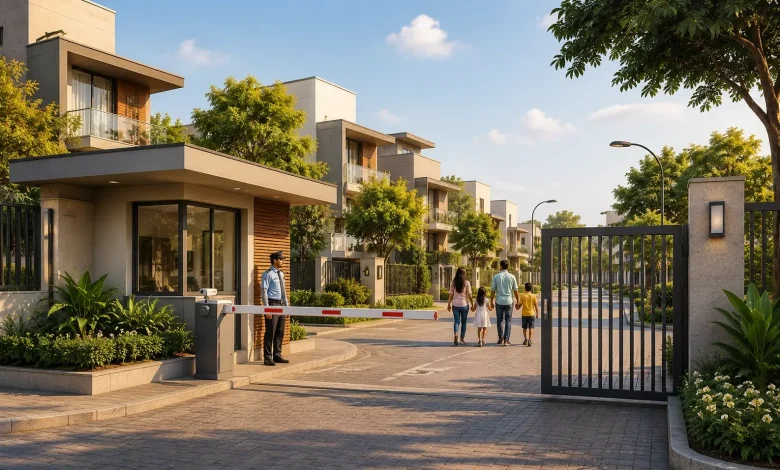
Convenience and connectivity have become increasingly important considerations for modern homebuyers. As daily routines become more varied, residents often want homes that provide easy access to transport, essential services, workplaces, recreation, and social destinations. At the same time, residential developments are using thoughtful planning, shared facilities, and technology to make everyday life more efficient.
A well-connected residential community can reduce unnecessary travel while giving residents greater flexibility in how they manage their time.
Location Is the Foundation of Connectivity
The surrounding location plays a major role in determining how connected a residential development feels. Access to MRT stations, bus routes, major roads, pedestrian paths, and cycling infrastructure can make it easier for residents to move around Singapore.
Connectivity should be assessed in practical terms rather than simply by looking at a map. Walking distance, transfer times, sheltered routes, road crossings, and accessibility can all affect the real convenience of a location.
Access to Everyday Essentials Saves Time
A residential community becomes more convenient when essential services are nearby. Supermarkets, pharmacies, clinics, schools, banks, restaurants, and other everyday destinations can reduce the need for lengthy journeys.
For busy households, the cumulative time saved through convenient access can make a meaningful difference to daily routines. Developments such as The Serra Residences demonstrate why the relationship between a home and its surrounding amenities can be an important part of residential planning.
Transport Options Provide Flexibility
Different residents have different travel requirements. Some rely on public transport, while others drive, cycle, or walk.
A community that offers multiple transportation options can accommodate changing circumstances. Residents may switch jobs, children may attend different schools, or households may reduce their reliance on private vehicles over time.
Pedestrian-Friendly Planning Matters
Connectivity is not only about roads and public transport. Comfortable pedestrian routes can make a major difference to the everyday experience.
Wide pathways, appropriate crossings, shade, lighting, greenery, and sheltered connections can encourage residents to walk to nearby destinations. These features can also make short trips more accessible for families and older residents.
Residential Facilities Add Convenience
Modern condominium developments often provide facilities that allow residents to exercise, relax, socialise, and spend leisure time without leaving the property.
Swimming pools, gyms, gardens, lounges, playgrounds, and function rooms can reduce the need to travel for certain activities. The most useful facilities are those that align with residents’ actual routines.
Technology Can Simplify Everyday Tasks
Digital technology is increasingly being incorporated into residential environments. Smart access systems, digital visitor management, facility booking platforms, parcel collection solutions, and home automation can streamline everyday tasks.
These features can improve convenience when they are intuitive and reliable. Technology should complement rather than replace good physical planning.
Remote Work Has Changed Connectivity Needs
For residents who work partly or fully from home, connectivity now includes the relationship between the home and digital work requirements.
Reliable internet infrastructure, practical study areas, co-working spaces, and quiet communal areas can support modern working arrangements. A flexible home layout can also allow residents to separate work from leisure more effectively.
Green Spaces Can Connect Residents With Their Surroundings
Connectivity does not have to mean movement between buildings and destinations alone. Landscaped gardens, walking paths, and outdoor areas can connect residents with nature.
Projects such as Dunearn Green demonstrate how greenery can form part of a residential environment while providing residents with pleasant spaces for walking, relaxation, and recreation.
Community Spaces Encourage Social Connections
Residential communities can also be connected socially. Shared gardens, lounges, playgrounds, function rooms, and recreational facilities can create opportunities for neighbours to interact.
These spaces can encourage informal connections without requiring residents to participate in organised activities. A balanced community provides both social spaces and quieter areas for residents who prefer privacy.
Convenience Supports Families
Families often have complex schedules involving work, school, childcare, shopping, and recreational activities. A well-connected residential environment can make these routines easier to manage.
Nearby schools, parks, childcare facilities, supermarkets, and transport options can reduce travel time. On-site amenities can provide additional opportunities for recreation without requiring another journey.
Accessibility Makes Connectivity More Inclusive
A connected community should be easy to navigate for residents with different mobility needs. Step-free entrances, lifts, ramps, accessible pathways, and suitable facilities can improve movement throughout the development.
Accessibility also benefits people using strollers, carrying groceries, or moving large items. Inclusive planning therefore improves convenience for a much broader group of residents.
Well-Planned Common Areas Improve Movement
Within a condominium, residents should be able to move easily between their homes, facilities, parking areas, entrances, and outdoor spaces.
Clear circulation, intuitive layouts, appropriate signage, and well-positioned lifts can reduce unnecessary walking and confusion. Common areas should be designed around actual daily movement rather than treated simply as architectural features.
Nearby Lifestyle Destinations Expand Choices
Restaurants, cafés, shopping centres, entertainment venues, parks, sports facilities, and cultural destinations can extend the lifestyle options available to residents.
A residential development does not need to contain every facility internally when the surrounding neighbourhood already provides a diverse selection. Strong external connectivity can therefore complement internal amenities.
Convenience Can Improve Work-Life Balance
Time spent travelling between different destinations can reduce the amount of time available for family, exercise, relaxation, and personal interests.
A well-connected residential location can shorten some daily journeys and make routines more efficient. This does not eliminate commuting or travel, but it can give residents more flexibility in how they use their time.
Maintenance Is Part of Convenience
Facilities and connections must remain functional to provide long-term value. Poorly maintained pathways, lifts, landscaping, lighting, or shared facilities can reduce the convenience of a development.
Buyers should consider the condition of completed properties and understand how common areas are managed. Good maintenance helps preserve the benefits of thoughtful design.
Connectivity Should Be Considered for the Future
A residential community should ideally remain useful as household needs evolve. Changes in employment, family structure, mobility, and lifestyle preferences can all affect how residents use their surroundings.
A location with multiple transport options and diverse amenities can provide greater adaptability. Buyers should also consider planned infrastructure and developments that may influence the neighbourhood over time.
What Homebuyers Should Evaluate
When assessing a residential community, buyers can consider:
- MRT and public transport access
- Walking and cycling connections
- Major road accessibility
- Nearby essential services
- Lifestyle and recreational destinations
- On-site amenities
- Digital and smart-home features
- Accessibility
- Common-area circulation
- Green spaces and outdoor facilities
- Maintenance standards
- Potential future changes in the neighbourhood
It is useful to experience the area in person. Walking from the development to nearby destinations can reveal practical details that may not be obvious from maps or marketing materials.
Creating a More Connected Residential Experience
Modern residential communities are increasingly designed around the idea that convenience involves more than simply having a desirable address. It includes how easily residents can move, access services, use facilities, interact with neighbours, and manage daily tasks.
When transport infrastructure, neighbourhood amenities, thoughtful layouts, digital tools, green spaces, and well-designed communal facilities work together, residents can enjoy a more flexible and efficient lifestyle.
Ultimately, the strongest residential communities provide connectivity at several levels: to the city, to essential services, to recreational opportunities, to neighbours, and to the home itself. For buyers, considering these different forms of connectivity can help identify properties that offer not just a comfortable place to live, but an environment designed around the realities of modern urban life.