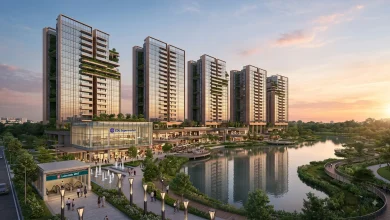
Exploring Everyday Convenience Around Residential Developments in Singapore
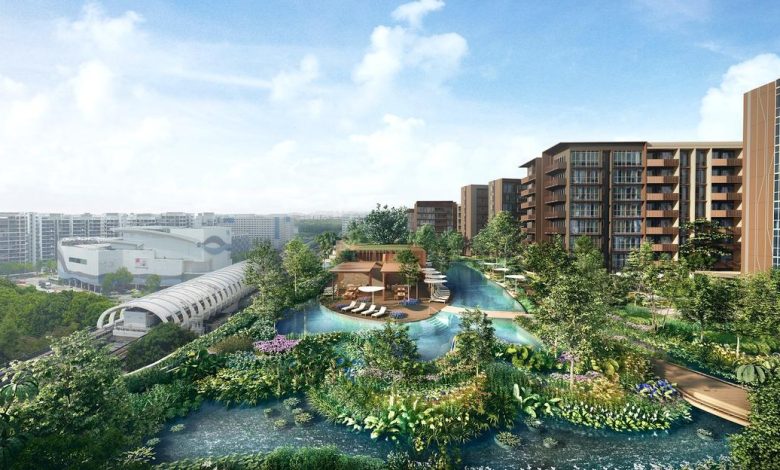
Finding a residential property in Singapore requires consideration of many details. The design of a home, floor plan, number of bedrooms, available facilities, and overall space can all be important. At the same time, the surrounding neighbourhood can have a significant role in everyday routines. Public transportation, shopping centres, schools, healthcare facilities, dining destinations, parks, and community amenities are all worth examining when researching a potential home. These factors provide useful context for people exploring Dorset Gardens and Clovelle of Woodlands.
Residential requirements are different for every household. A commuter may prioritise access to MRT stations, while parents may pay closer attention to education and childcare. A household that enjoys dining outside may look for restaurants and food options, whereas residents who prefer outdoor activities may focus on parks and recreational areas. Understanding these individual priorities can make the property research process more focused.
Viewing the Home and Neighbourhood Together
A residential development is part of a wider environment. Everyday life can involve many activities outside the home, including commuting, shopping, attending appointments, dining, exercising, and socialising.
Dorset Gardens is associated with Farrer Park, a city-fringe area with established urban amenities and public transport connections. Clovelle of Woodlands is planned within Woodlands, an established northern town with a broad selection of community and residential facilities.
Rather than considering a property only through its floor plan, prospective buyers can examine how the wider location supports the activities they regularly undertake.
Exploring Farrer Park
Farrer Park has an established urban character, with residential areas located alongside retail, dining, healthcare, cultural, and transportation facilities.
For buyers researching Dorset Gardens, Farrer Park MRT Station is an important transportation feature. The station is served by the North-East Line and provides rail connections to other areas of Singapore.
The surrounding retail environment also provides a range of everyday facilities. City Square Mall includes shopping and dining options, while Mustafa Centre provides a broad range of products and services. The nearby Little India district adds restaurants, shops, cultural attractions, and local businesses.
Prospective residents can explore these areas to understand how the wider neighbourhood may fit into their daily routines.
Exploring Woodlands
Woodlands provides a different residential environment. It is an established northern town with infrastructure supporting homes, schools, healthcare, transport, shopping, and recreational activities.
Clovelle of Woodlands is planned along Woodlands Drive 17. Buyers can examine its location alongside the broader Woodlands town and the facilities available throughout the area.
Woodlands South MRT provides access to the Thomson-East Coast Line, while Woodlands MRT connects with the North-South Line. These stations can be investigated according to individual commuting patterns.
The town also includes shopping destinations such as Causeway Point, Vista Point, and 888 Plaza. These locations can support grocery shopping, retail purchases, dining, and other everyday errands.
Examining Transportation Requirements
Transportation is an important part of residential planning because daily journeys can occupy a considerable portion of a person’s schedule.
For Dorset Gardens, prospective residents can investigate routes from Farrer Park MRT to their workplace, school, or other frequently visited destinations.
For Clovelle of Woodlands, buyers can examine journeys using Woodlands South MRT and Woodlands MRT.
The full journey may include walking, bus connections, transfers, and peak-hour conditions. These details can affect practical travel time.
Instead of focusing only on the distance between a development and an MRT station, buyers can list their most common destinations and examine complete door-to-door routes. This provides a more realistic way to understand transport requirements.
Shopping and Grocery Access
Shopping facilities can make everyday household tasks easier. Residents regularly need groceries, household supplies, personal products, and other essentials.
The surroundings of Dorset Gardens provide access to the established retail environment of Farrer Park and Little India, including major shopping destinations and local businesses.
The wider Woodlands area around Clovelle of Woodlands includes established shopping centres and neighbourhood facilities.
Different households may have different preferences. Some people prefer large malls where they can complete several errands in one place, while others may value nearby supermarkets and smaller shops for quick purchases.
When researching a property, buyers can consider their usual shopping frequency and the types of stores they use most often.
Dining and Food Choices
Food and dining options can also contribute to neighbourhood convenience. Restaurants, cafes, food courts, and local eateries can provide choices for everyday meals, weekend outings, and social occasions.
The Farrer Park and Little India surroundings associated with Dorset Gardens offer access to a diverse food environment.
The wider Woodlands area around Clovelle of Woodlands also provides restaurants and food outlets across shopping centres and neighbourhood areas.
The importance of dining options depends on individual habits. Residents who frequently eat outside may want convenient access to restaurants, while households that prepare meals at home may give greater attention to grocery facilities.
Family and Education Considerations
Families may need to investigate several additional factors when selecting a home. Schools, childcare facilities, healthcare, transportation, recreation, and interior space can all influence household planning.
Those researching Dorset Gardens and Clovelle of Woodlands can identify schools and childcare facilities in the surrounding neighbourhoods. Current admission requirements and registration procedures should be checked independently because proximity does not automatically determine school eligibility.
The actual journey to school can also be considered. Walking routes, crossings, buses, and travel times may influence daily schedules.
Inside the property, families can examine bedroom arrangements, storage, living areas, and flexible spaces.
Clovelle of Woodlands is planned with three-, four-, and five-bedroom configurations, providing different options for households with different space requirements. Buyers researching Dorset Gardens can similarly examine available layouts according to their household needs.
Recreation and Leisure Opportunities
A home should also provide access to opportunities for relaxation and recreation. Parks, outdoor areas, restaurants, cultural attractions, and recreational facilities can support activities outside work and household responsibilities.
Woodlands includes destinations such as Woodlands Waterfront, offering an outdoor setting within the wider town.
The broader Farrer Park environment associated with Dorset Gardens provides access to cultural attractions, shopping, dining, and recreational destinations.
The relevance of these facilities depends on lifestyle preferences. Families may prioritise parks and outdoor spaces, while other residents may prefer fitness facilities, restaurants, entertainment, or cultural activities.
Evaluating the Interior Layout
The neighbourhood is only one part of the residential experience. The home itself needs to provide appropriate space for everyday activities.
When researching Dorset Gardens, buyers can examine floor plans and consider bedroom arrangements, living areas, storage, and the potential uses of individual rooms.
For Clovelle of Woodlands, the three-, four-, and five-bedroom configurations can be considered according to household size and lifestyle requirements.
A spare room may have several potential uses. Depending on household needs, it could become a study, home office, nursery, guest room, or storage area.
Thinking about these possibilities can help buyers consider the practical flexibility of a floor plan instead of focusing only on the number of bedrooms.
Considering Future Household Needs
A home may need to accommodate changing requirements over time. Children may grow, work arrangements may change, or residents may require additional space for different activities.
When researching Dorset Gardens, prospective homeowners can consider whether available layouts provide enough flexibility for changing needs.
For Clovelle of Woodlands, the different bedroom configurations can be assessed according to both current requirements and potential future uses.
The goal is not to predict future circumstances but to consider whether the home can reasonably adapt to different household activities.
The Value of Visiting in Person
Online research can provide useful information, but visiting the neighbourhood can offer a different perspective.
Prospective buyers can visit the surroundings at different times of day to observe traffic, pedestrian movement, noise, nearby businesses, and transportation conditions.
Exploring the area around Dorset Gardens can provide a direct impression of the Farrer Park environment. Visiting Clovelle of Woodlands and the surrounding Woodlands Drive 17 area can similarly help buyers understand the local setting.
A physical visit can then be combined with research into floor plans, transport routes, schools, shopping facilities, and financial considerations.
Creating a Residential Research Checklist
A checklist can help households organise their property research. Some useful categories include:
- Public transport connections
- Daily commuting routes
- Grocery and shopping access
- Restaurants and dining
- Schools and childcare
- Healthcare facilities
- Parks and recreation
- Bedroom requirements
- Storage space
- Flexible living areas
- Potential future requirements
For Dorset Gardens, buyers can use these categories to investigate the Farrer Park environment and its surrounding facilities.
For Clovelle of Woodlands, the same categories can be applied to Woodlands, including its transport connections, shopping destinations, community facilities, and planned residential configurations.
Using a consistent checklist can make it easier to identify questions that require additional research.
Conclusion
Residential convenience is shaped by the relationship between a home and its wider neighbourhood. Transport, shopping, dining, education, healthcare, recreation, and interior space can all influence everyday routines.
Dorset Gardens is associated with the city-fringe setting of Farrer Park, where established urban amenities and public transport connections contribute to the surrounding environment. Clovelle of Woodlands is planned within the mature Woodlands town, where established transport links, shopping destinations, community facilities, and recreational spaces form part of the wider setting.
Prospective homeowners can examine these characteristics alongside their own household requirements. Commuting patterns, family needs, shopping habits, dining preferences, recreational interests, and future space requirements can all be considered when creating a personal property checklist.
Looking at the development and its neighbourhood together provides a broader framework for residential research in Singapore. By examining how the home connects with transportation, services, amenities, and everyday activities, buyers can gather practical information and continue evaluating their housing options according to their own needs.